Mandi Backhaus
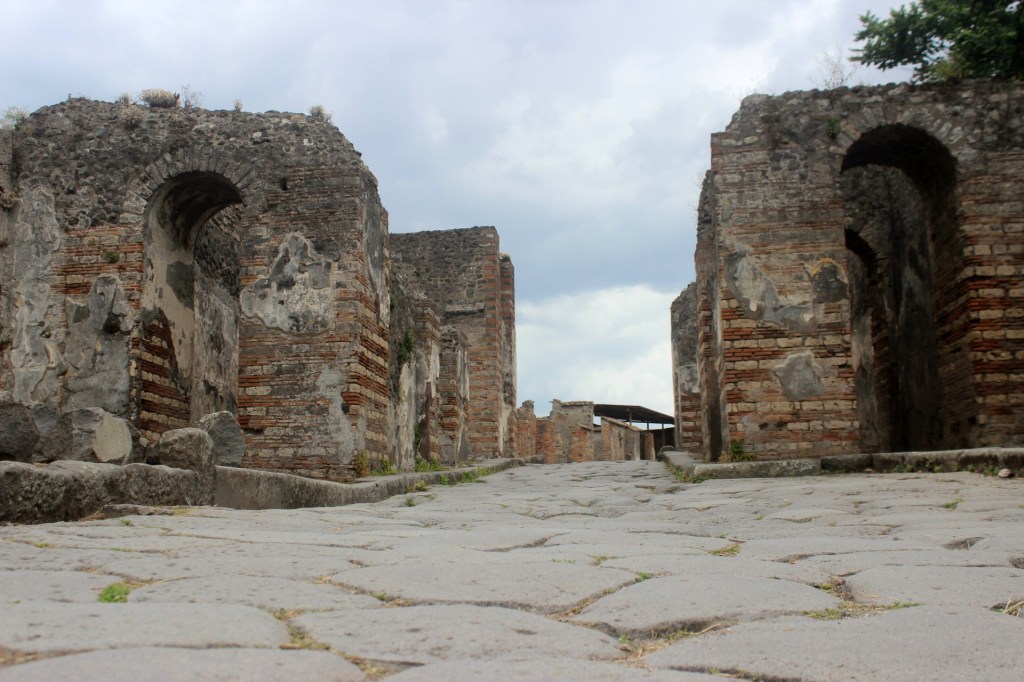
A volcanic eruption. Air filled with falling ash. A thriving city buried. Lives lost. Years pass. Preservation occurs. The city unearthed. A one-of-a-kind area opened for all to see. Mount Vesuvius is the volcano near the Bay of Naples in Italy. Over the thousands of years this volcano has been around, it has erupted more than 50 times. However, the eruption of 79 AD is truly the most memorable. As the eruption occurred, lava spewed everywhere, and volcanic ash and pumice enveloped the air. Nearly 5 miles away sat the town of Pompeii. Although it can be hard to know what daily life was like in Pompeii prior to 79 AD, countless archeologists have worked to gather an understanding.
Prior to the founding of Pompeii, the Oscans settled on the slopes of Vesuvius dating back to the Iron Age (IX-VII Centuries B.C.). Over time, Pompeii was settled first by the Greeks and served as a trade center for Greeks, Etruscans, Samnites, but it was soon conquered by the Romans. The people of Pompeii lived according to the rhythms of the sun. Everyone woke up early to begin their work, from noble merchants to slaves. The amphitheater served as the main entertainment for all of Pompeii as cruel and violent shows would occur, involving deadly fights. Dinners often included olives and eggs, and if they could afford it, fish, meat, and cakes (“Daily Life in Ancient Pompeii,”). Overall, it’s important to understand what Pompeii appeared like before the eruption of Mount Vesuvius in 79 AD because after that, this city’s fate changed forever.
P. O. M. P. E. I. I.
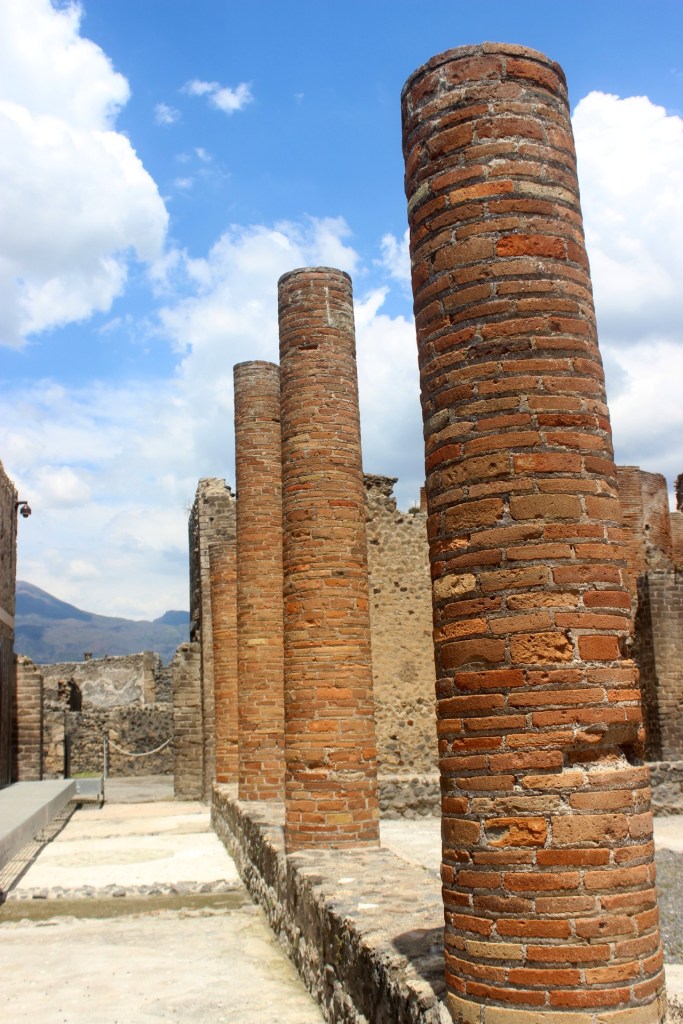
P. Prehistoric Remains. After the eruption, millions of tons of volcanic ash buried the city of Pompeii. Scholars estimate that nearly 20,000 people were living in and around Pompeii before the fateful night. Luckily, there were numerous warning signs of the volcanic eruptions. In 62 CE, an earthquake measured at 7.5 on the Richter scale, shook the area. Before the eruption of 79 AD, about 18,000 Pompeiians were able to escape safely. Unfortunately, 2,000 residents fell victim of Mount Vesuvius’ wrath. As the ash and pumice cooled, a tower of debris drifted downward onto the city. For those who stayed behind, conditions grew worse. If the lava and debris didn’t kill them instantly, the toxic air or a pyroclastic surge did. Some people returned to Pompeii in search of lost relatives or belongings, but there was not much left in sight (“Pompeii History”, Pompei.it). Therefore, Pompeii was abandoned.
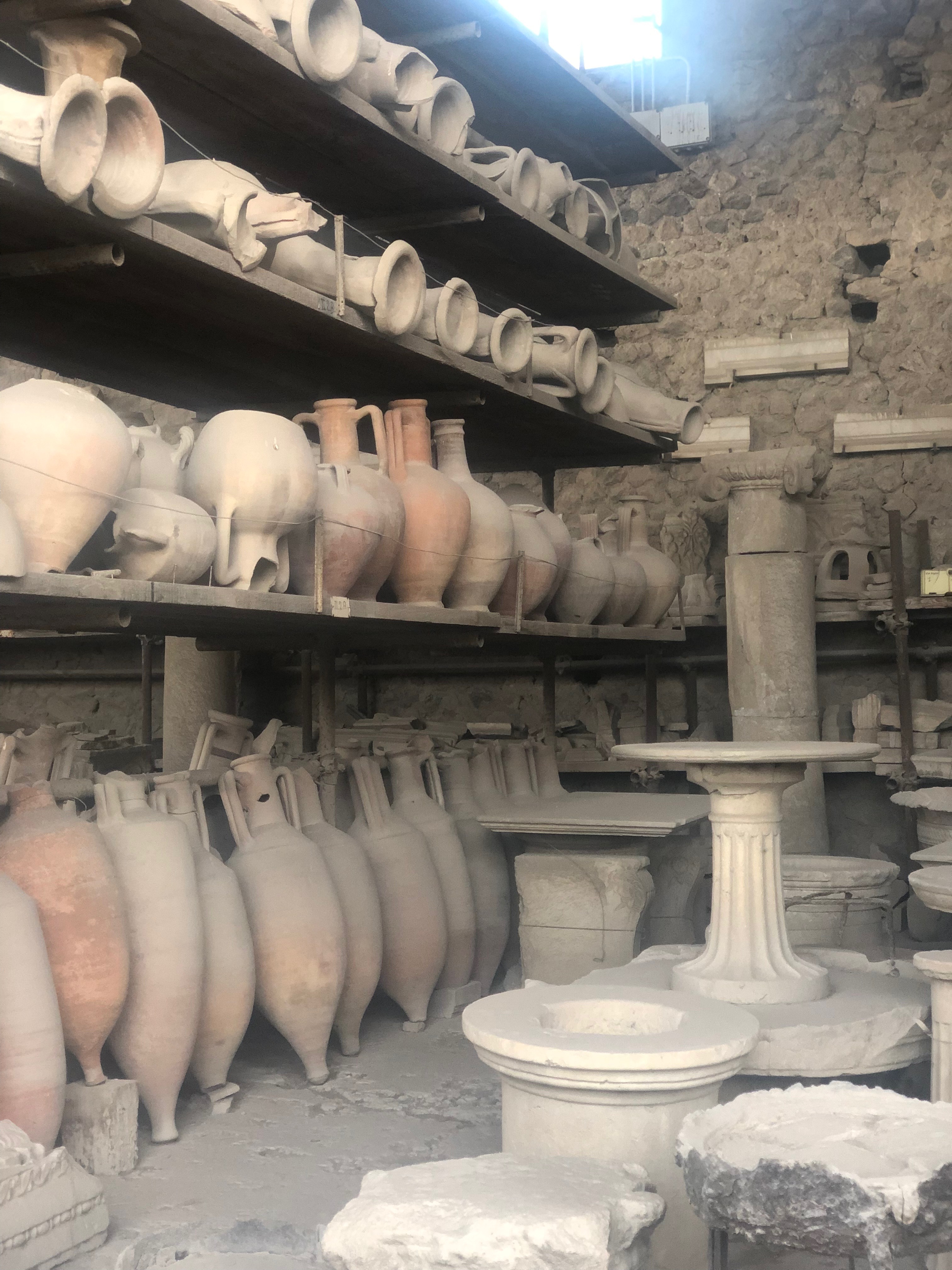
Nearly 2,000 years later, in 1748, a group of explorers looking for ancient artifacts arrived in the area and began to dig. In reality, locals knew Pompeii was there, but no one unearthed it until this. As the archeologists unearthed Pompeii, they realized something amazing. The ashes from Mount Vesuvius’ eruption acted as a great preservative. Underneath it all, the once-thriving city was almost exactly as it was before the epidemic. The buildings were intact, skeletons laying right where they’d fallen, everyday objects and household goods in the streets, and even uncovered jars of preserved fruit and loaves of bread. Pumice powder and ash contain physical, mechanical, and durability properties sufficient to perfectly preserve objects within. Researchers were astounded to have discovered that Pompeii was truly frozen in time. (Owens, Jake, National Geographic). The artifacts and treasures found provided scholars with rare and unique insights in the past.
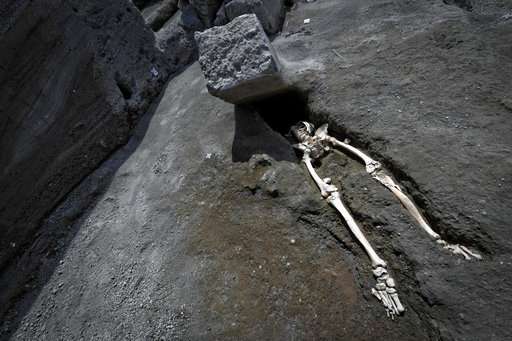
O. Ongoing Process of Excavation. With nearly 170 acres of land, it’s obvious that the excavation of Pompeii would take some time. Excavation defines as the act or process of digging to uncover something (Vocabulary, 2019). There is a total of 9 regions that cover the preserved city. Currently, only 7 regions are completely excavated, meaning 2 are still being rediscovered by archeologists today. In the early stages, archeologists were simply working to uncover buildings, streets, and loose artifacts. Presently, they are gazing deeper to truly understand the development of the city. Comprehending the deep facts and history of Pompeii will help scholars form a more accurate depiction of Pompeii and what really happened. While it may be crazy to think a site rediscovered over 200 years ago is still being discovered today, it’s the truth. Just over a year ago, in May 2018, a fresh discovery revealed brand new findings of Pompeii and that day in 79 AD. A man, who presumably survive the initial explosion, was later crushed by a massive rock as he attempted to escape the deadly debris. Archeologists say it was a male, over 30 years old, with a possible bone infection that caused him to have trouble walking. Among the thousands of others found, this unlucky victim is not the last to be excavated.
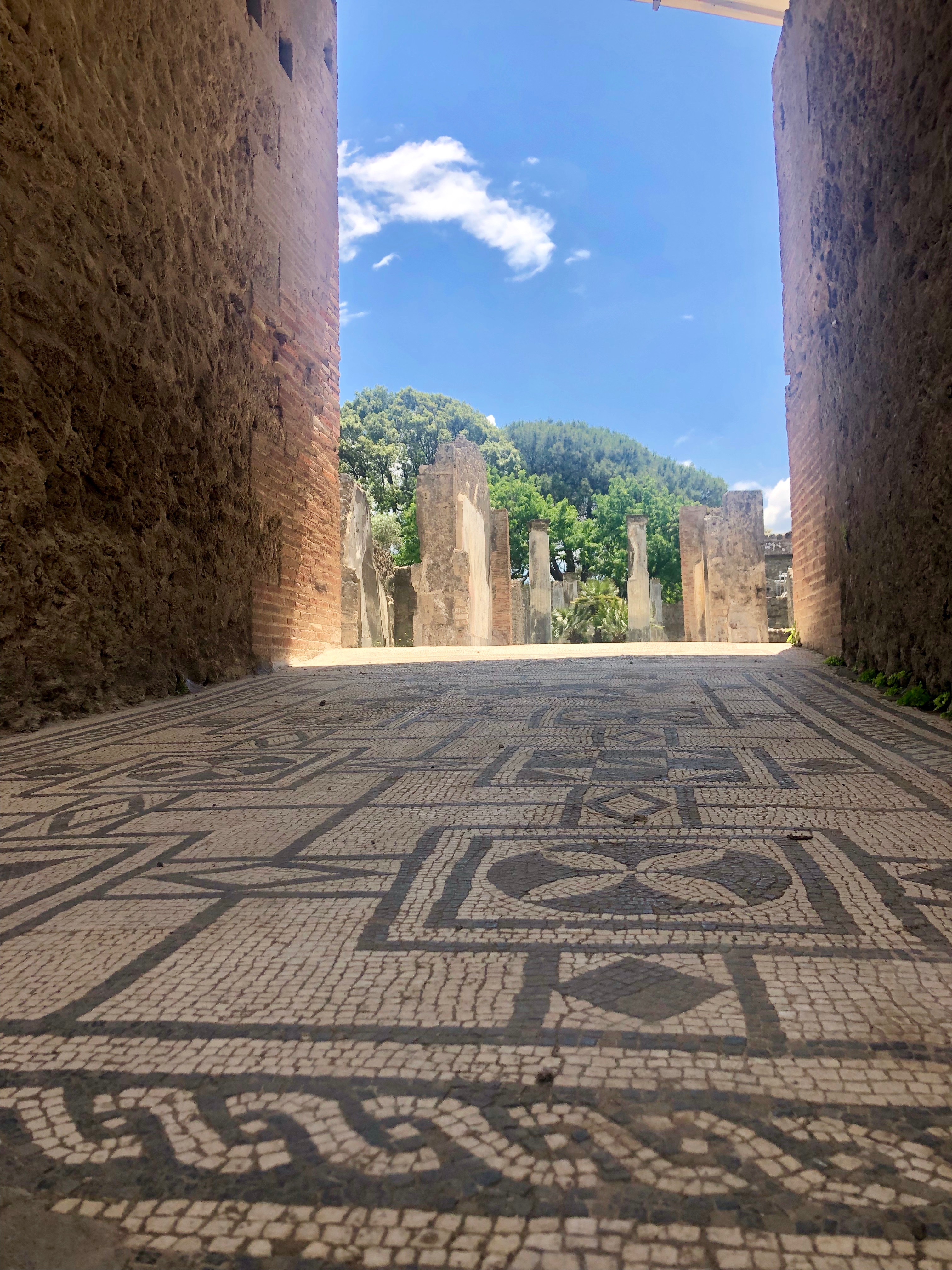
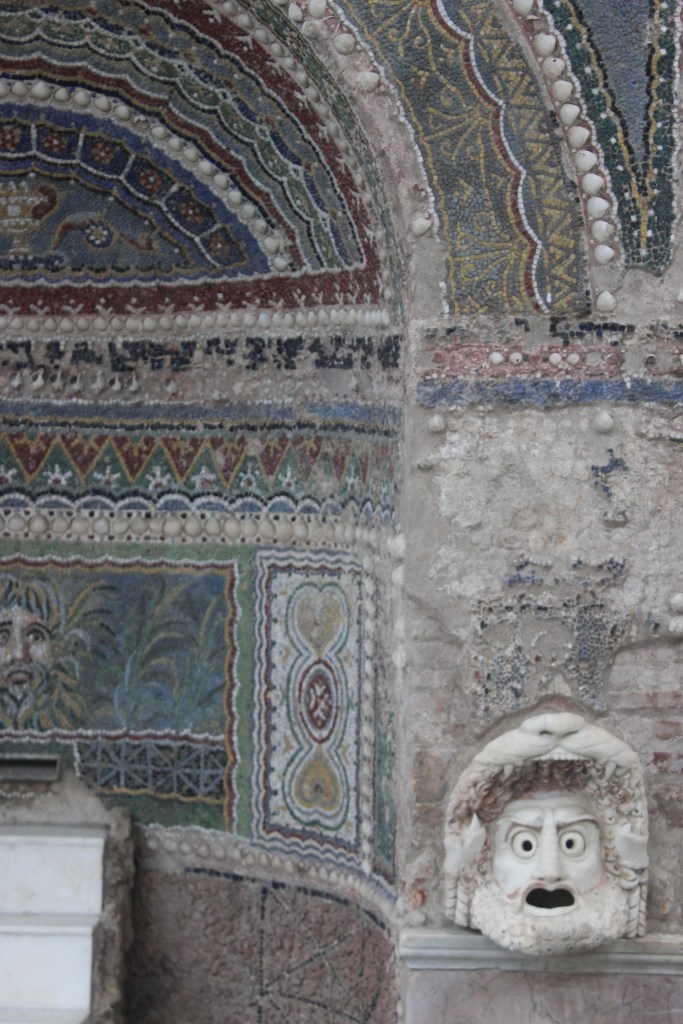
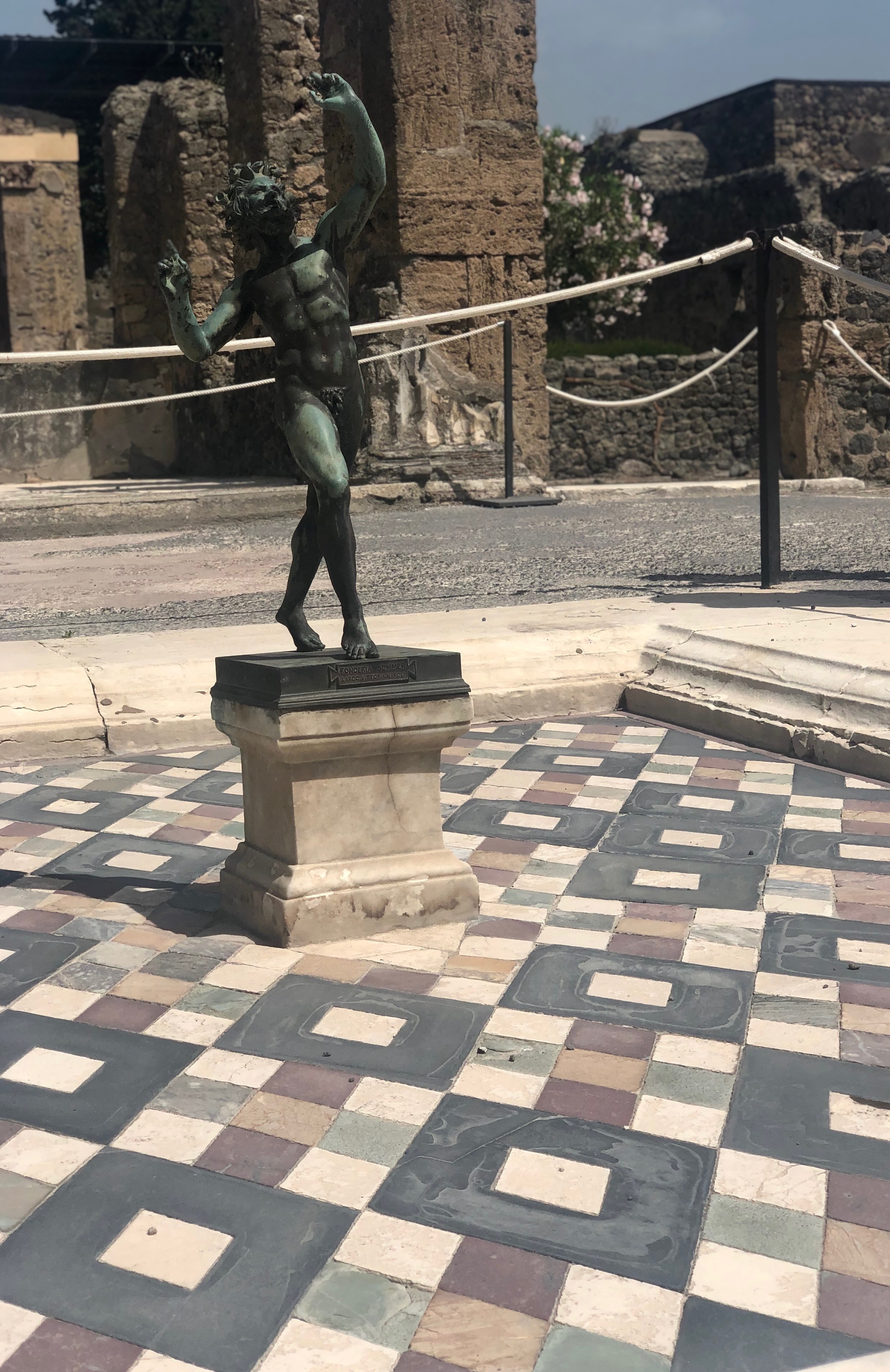
M. Marvelous Mosaic Tiles. In many areas of Pompeii that were once homes and stores, there are hand-crafted mosaic tiled floors that are so beautiful and look nearly good as new. According to archaeological chemist Rachel Popelka-Filcoff from Flinders University in Australia, tesserae and mosaics are one of the long-standing class of materials that remain from the Greeks and Romans and offer an unprecedented look into the past (Popelka-Filcoff, Rachel, Flinders University). Researchers continue to run tests on these works of art to ensure they can be preserved in their original setting.
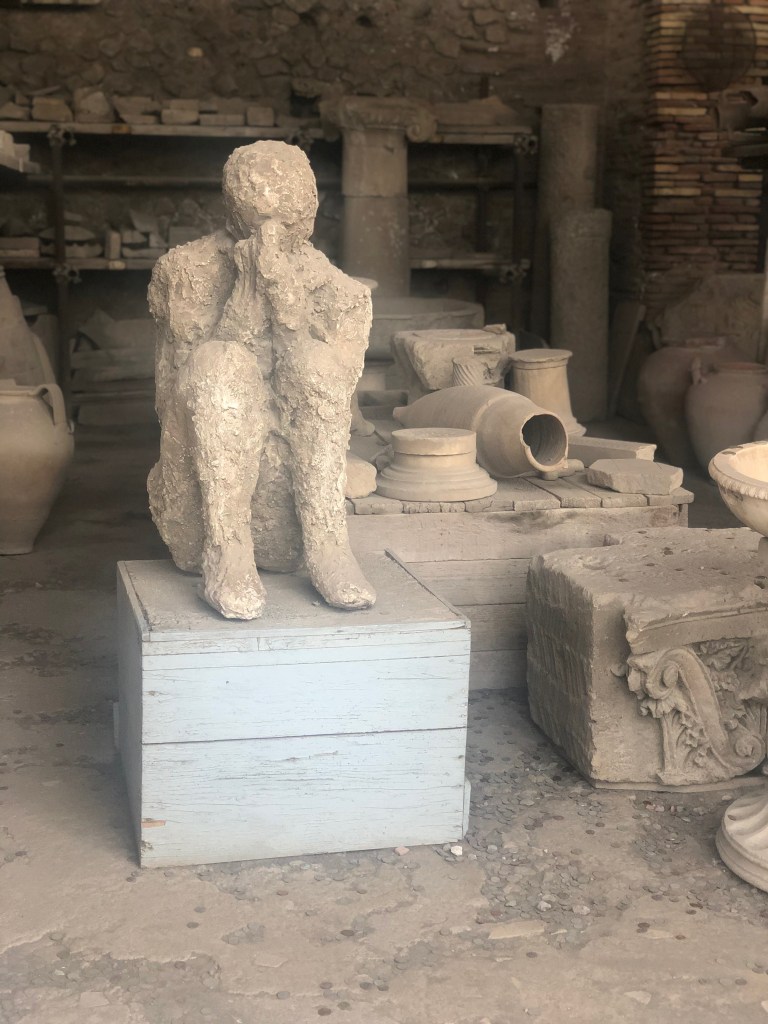
P. Preserved Bodies. One of the richest sources of data came from skeletal remains and the possibility to preserve them. In 1860, Italian archeologist Giuseppe Fiorelli began this process. He and his team poured plaster into the soft cavities in the ash, which were about 30 feet beneath the surface. These cavities were the outlines of bodies, and they kept their forms despite the soft tissue decomposing over time. Researchers were able to tell a great deal by examining these remains. In fact, tooth decay and abscesses were common to Pompeiians due to an over-sweet diet as well as tuberculosis, brucellosis, and malaria. They could also determine which remains belonged to slaves as they were signs of malnutrition, chronic arthritis, and deformity caused by overwork. (Cartwright, Mark). Overall, preserving these bodies and continuing to evaluate them provides researchers with the facts needed to completely understand the history of Pompeii.
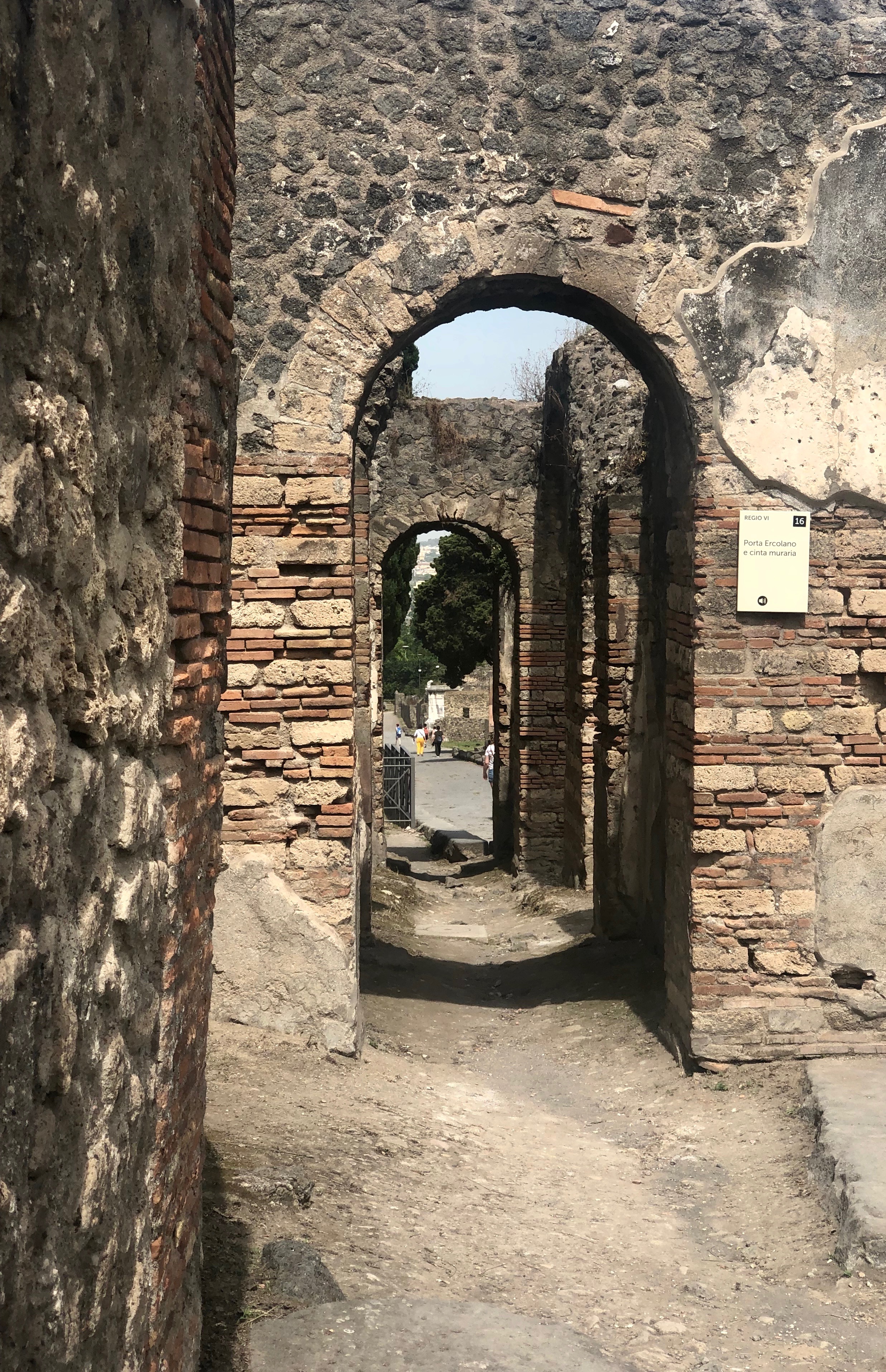
E. Extravagant Attention to Detail. As earlier mentioned, Pompeii was inhabited by both Greeks and Romans. Therefore, the architectural and cultural aspects held much inspiration from the two, giving it such a unique appearance. The rectangular and triangular forums were rebuilt, and important buildings such as Jupiter’s Temple, the Basilica, and the House of the Faun were erected. The ancient Greeks and Romans shared similar architectural characteristics in their construction. The Doric, Ionic, and Corinthian orders are the most obvious similarities between the two (Barroso, Kristina, 2018). Within Pompeii, the innovative use of arches and use of tiles are thanks to these two creative assemblies.
I. Incredible History. In general, Pompeii overflows with history. As visitors come to walk the streets of a once flourishing city, not only do they take in so many unique views but a wealth of knowledge too. Interesting facts about Pompeii include the truth that it is world’s largest archeological site with roughly 170 acres, or that Pink Floyd recorded a live song without an audience in the Amphitheatre. One piece of history still alive today is Mount Vesuvius. It astounds some to hear that it is considered an active volcano today. However, considering the past catastrophe and today’s technology, experts are carefully observing the volcano and would be able to foresee an eruption. Regardless, Italy has created an emergency plan to evacuate, especially because the area within the volcano danger zone is the most densely populated in the world with 3 million people (Conger, Cristen). With all of this in mind, it’s true that Pompeii is not only a city frozen in time but an area rich in history.
I. Irreplaceable Beauty. Finally, even though the eruption of Mount Vesuvius is estimated to have been 500 times more powerful than the atomic bombs in WWII, the natural and man-made beauty of this Pompeii is truly irreplaceable. The unique evidence from Pompeii provides the rarest of opportunities – the possibility to reconstruct the actual thoughts, hopes, despair, and even the familiarity of these people who lived so long ago.
In conclusion, Pompeii can be seen as a true treasure. It possesses the unique qualities of being the largest and longest-running archeological site in the world. Thousands of visitors pay admission every day to walk the preserved streets of this once-thriving city (“Pompeii History,”). As experts continue to excavate and analyze, the story of Pompeii will only become more accurate with time. Overall, with an area so large and works of art so detailed, a visitor can experience priceless moments in this blast from the past.

Works Cited:
Barroso, Kristina. “Similarities & Differences of Greek and Roman Architecture.” June 25, 2018. Classroom, https://classroom.synonym.com/similarities-differences-greek-roman-architecture-8073431.html.
Cartwright, Mark. “Pompeii,” March 21, 2018. Ancient History Encyclopedia. https://www.ancient.eu/pompeii/.
“Daily Life in Ancient Pompeii,” Pompei.it, https://www.pompei.it/pompeii/daily-life-pompeii.htm
Owens, James. “Pompeii,” National Geographic, https://www.nationalgeographic.com/
archaeology-and-history/archaeology/pompeii/.
“Pompeii,” History.com, May 16, 2019. https://www.history.com/topics/ancient-history/pompeii.
“Pompeii History,” Pompei.it, https://www.pompei.it/pompeii/pompeii-history.htm.
“Vocabulary,” Vocabulary.com, 2019. https://www.vocabulary.com/dictionary/excavation

