https://wordpress.com/block-editor/post/theblueeyedblogger.video.blog/529
P
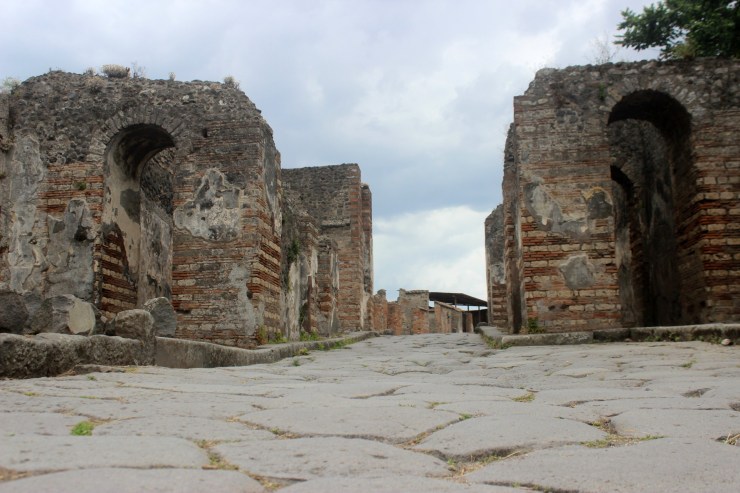
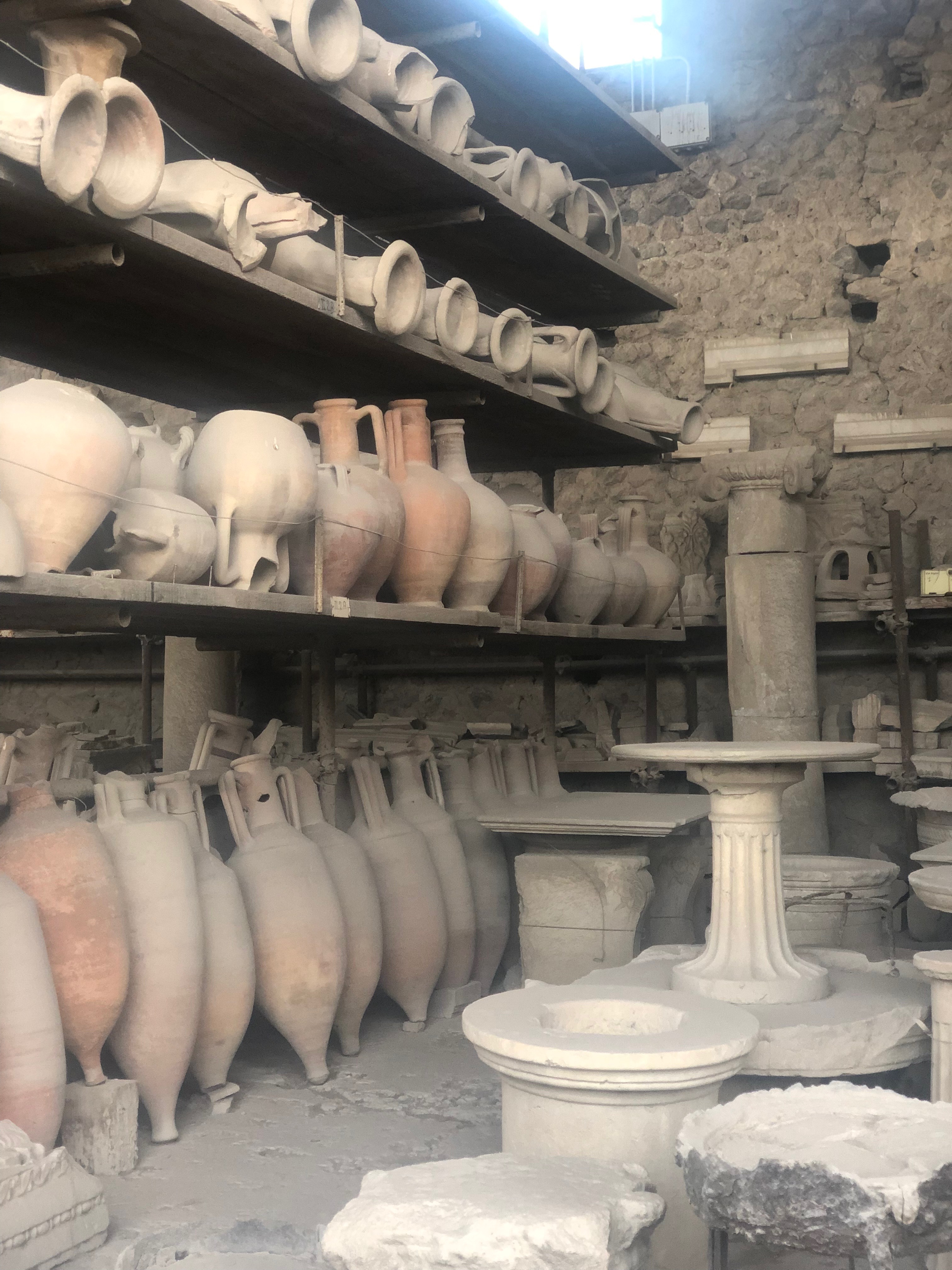
Prehistoric Remains. In 79 AD, Mount Vesuvius, the volcano near the Bay of Naples in Italy, erupted. Millions of tons of volcanic ash buried the city of Pompeii, killing nearly 2,000 people. In 1748, explorers rediscovered the area to find the buildings intact, skeletons frozen right where they’d fallen, everyday objects and household goods in the streets, and even uncovered jars of preserved fruit and loaves of bread!
O
Ongoing Process of Excavation. There are a total of 10 regions that cover the 150 acres of Pompeii. However, 3 of those regions are still being excavated by archeologists today! These researchers are coming across new facts each day; this will help the story of Pompeii become more accurate as time goes on.

https://www.woonbeschermendhypotheek.nl/map-pompeii-ruins/.
M
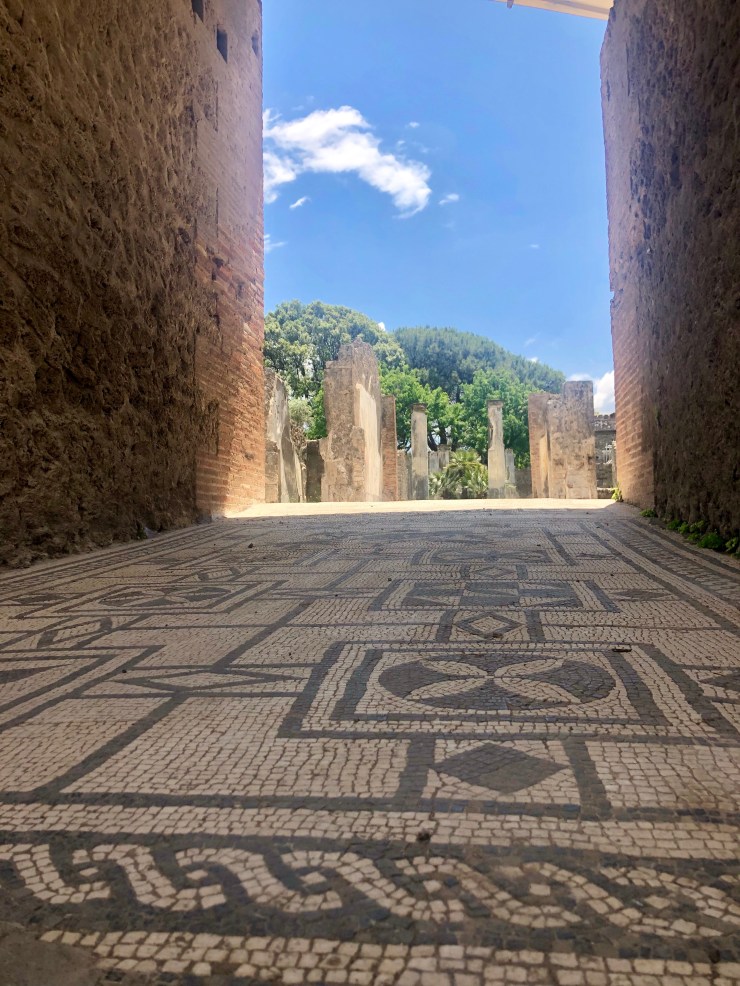
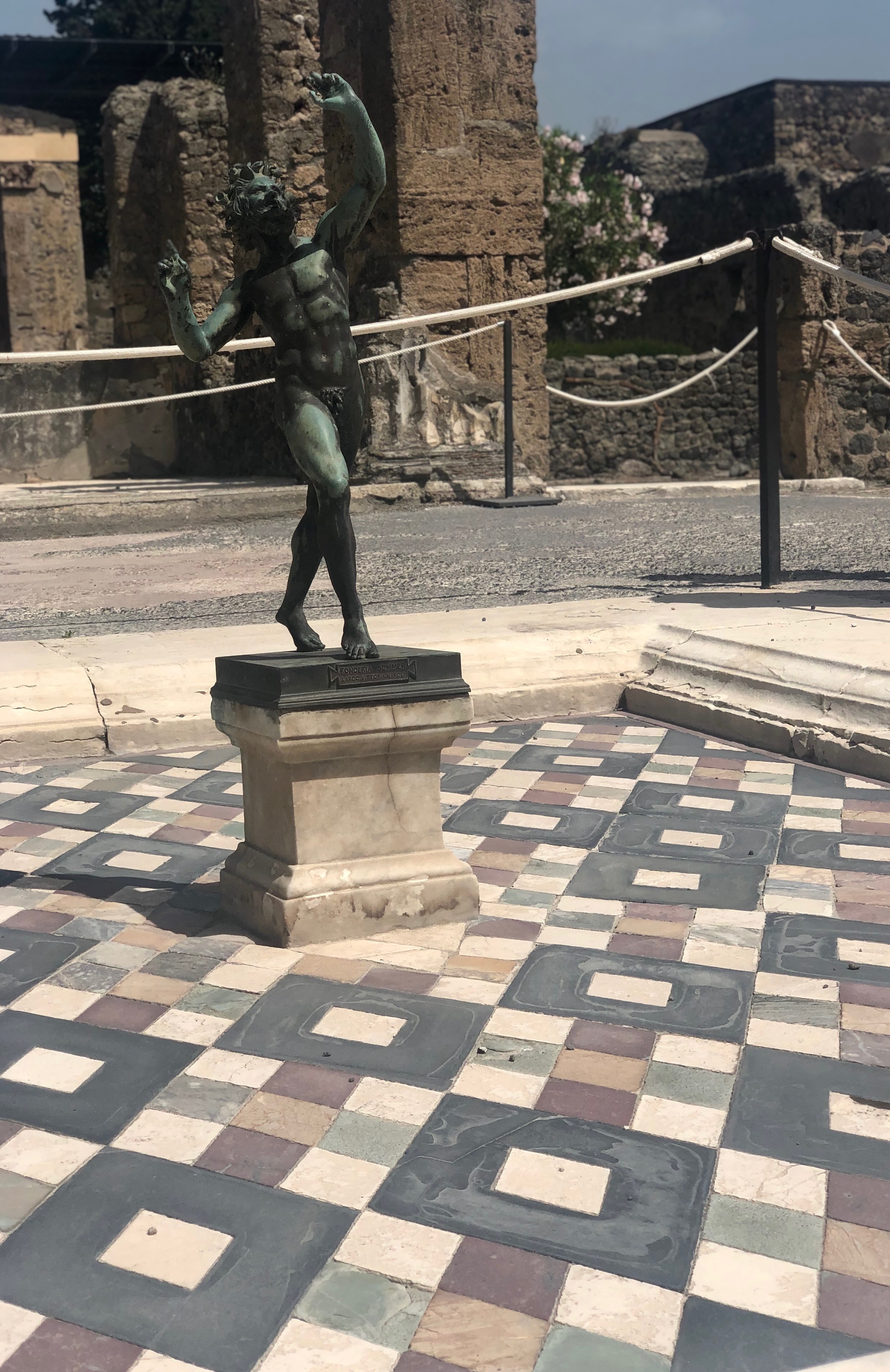
Marvelous Mosaic Tiled Floors. In many areas of Pompeii that were once homes and stores, there are hand-crafted mosaic tiled floors that are so beautiful and look nearly good as new. According to archaeological chemist Rachel Popelka-Filcoff from Flinders University in Australia, tesserae and mosaics are one of the long-standing class of materials that remain from the Greeks and Romans and offer an unprecedented look into the past. Researchers continue to run tests on these works of art to ensure they can be preserved in their original setting.
P
Preserved Bodies. In 1860, Italian archeologist Giuseppe Fiorelli began to preserve the dead bodies at Pompeii. He and his team poured plaster into the soft cavities in the ash, which were about 30 feet beneath the surface. These cavities were the outlines of bodies, and they kept their forms despite the soft tissue decomposing over time. Many think the plaster bodies are empty, but they actually contain the bones of the deceased.

E
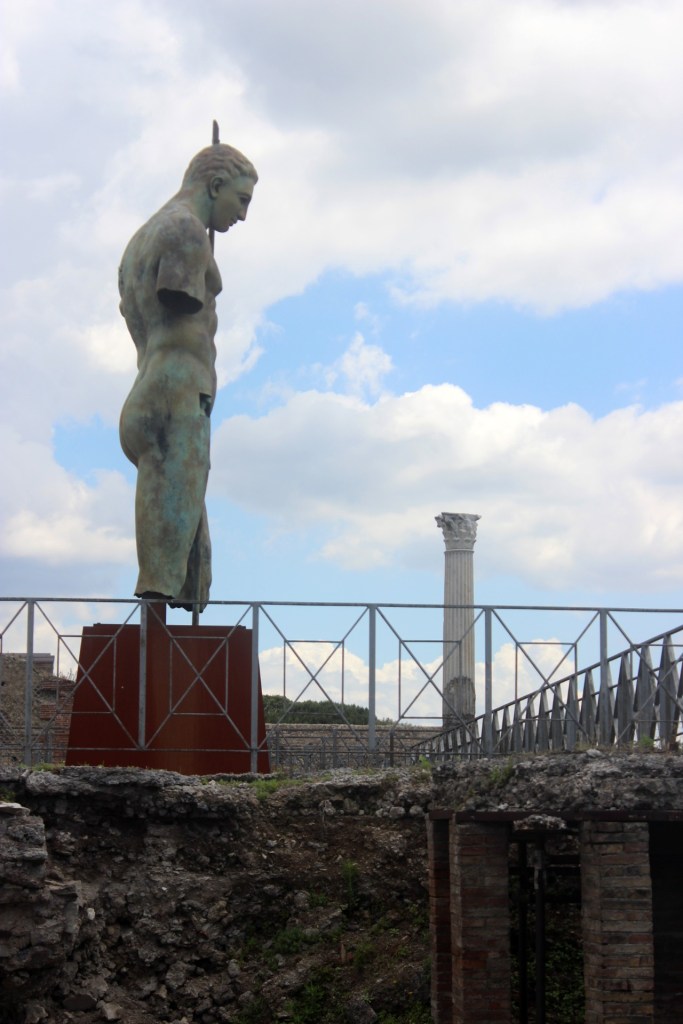
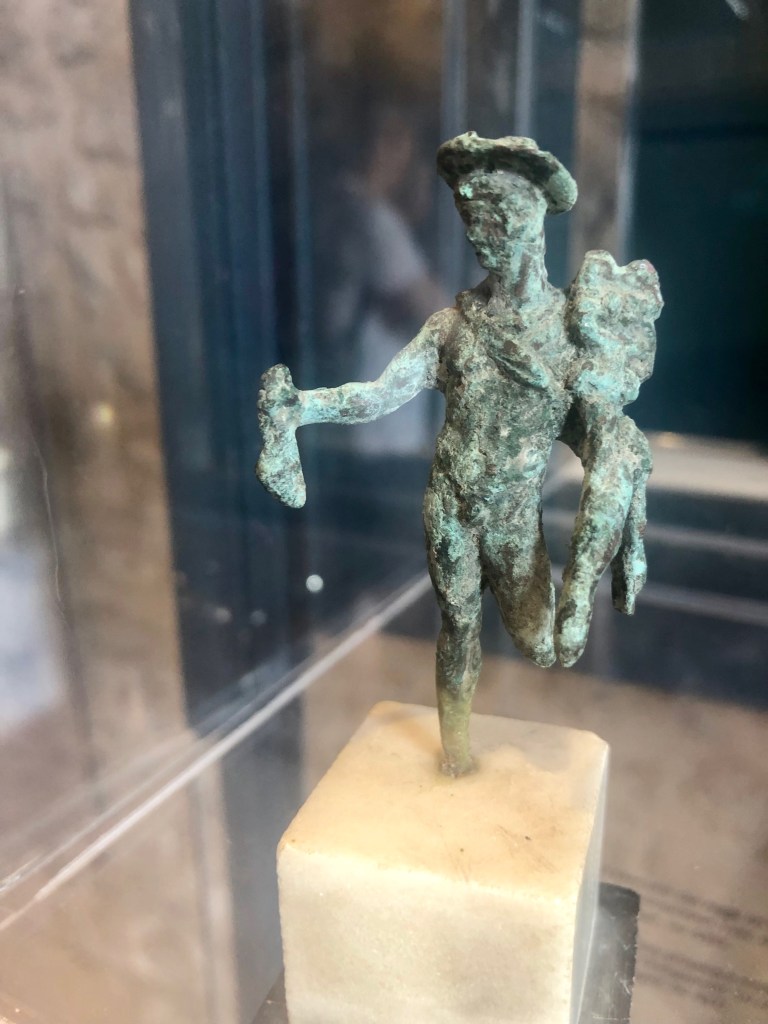
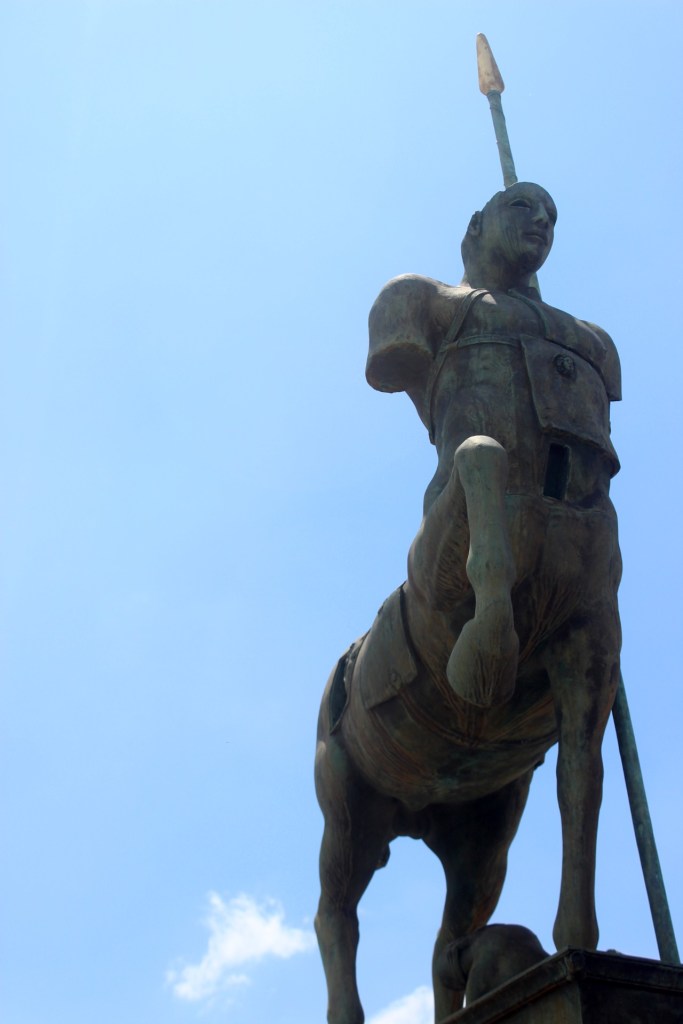
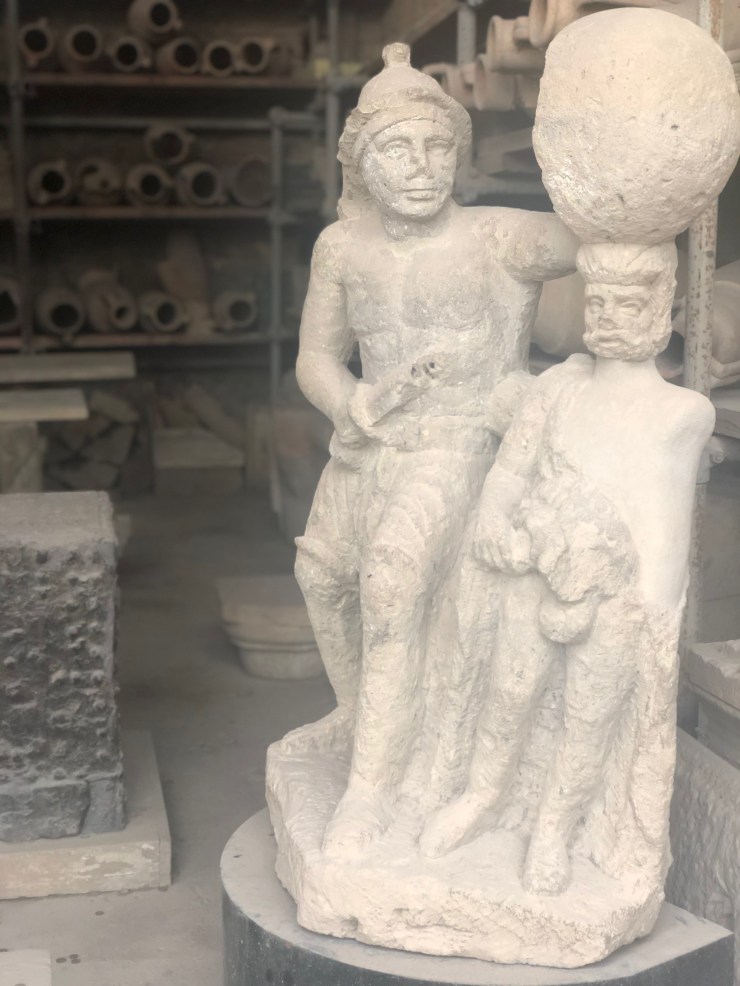
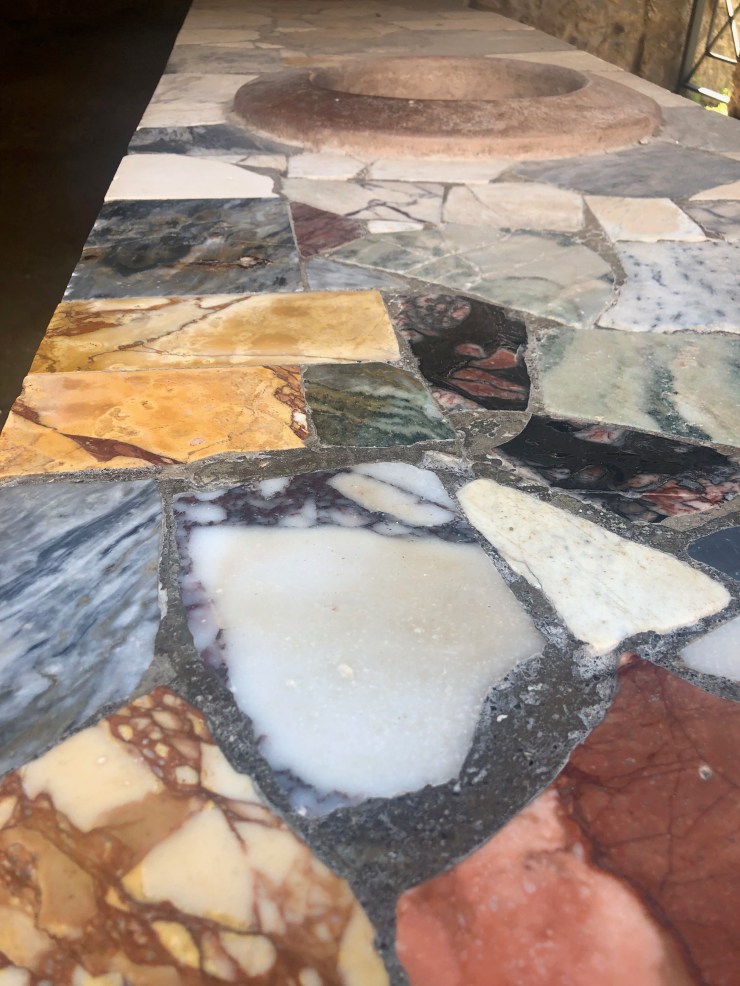
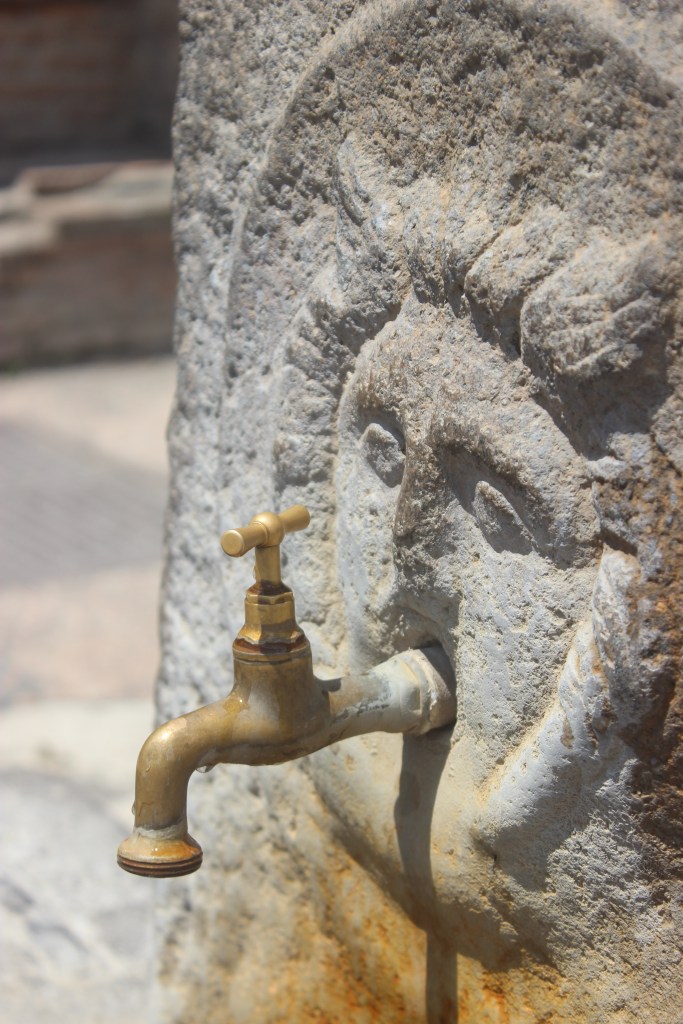
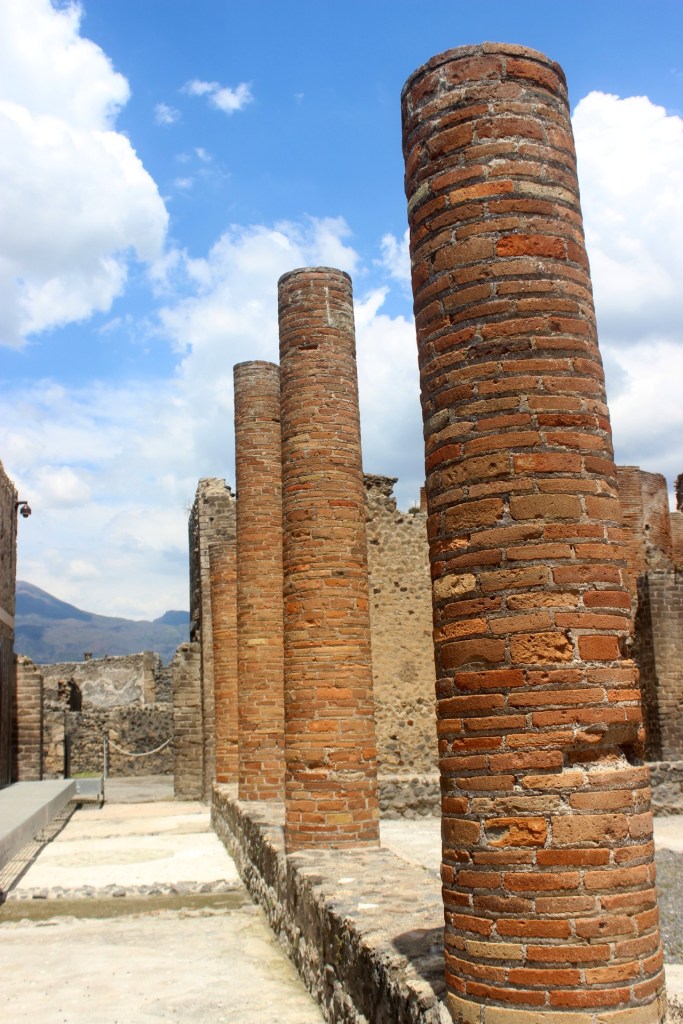
Extravagant Attention to Detail. Throughout all of Pompeii, one sees the impressive works of art in a city built thousands of years ago. When it was built, Pompeii was heavily influenced by both Roman and Greek architectural and cultural styles, giving it a unique appearance.

I
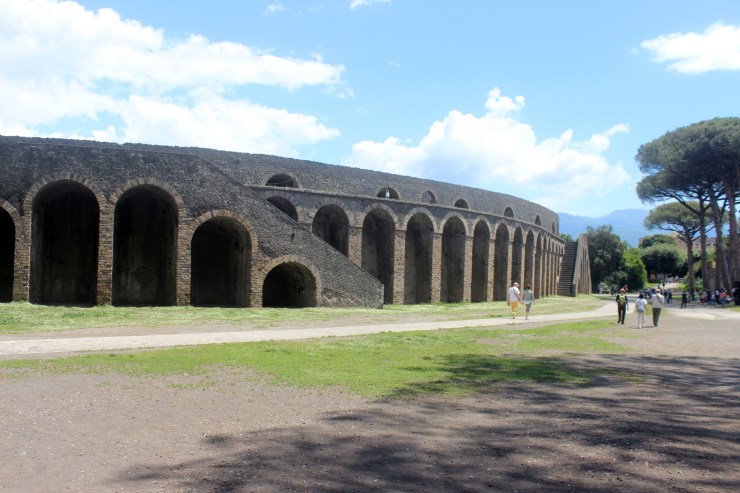
Incredible History. In general, Pompeii overflows with history. As visitors come to walk the streets of a once flourishing city, not only do they take in so many unique views but a wealth of knowledge too. Did you know Pompeii is the world’s largest archeological site with over 150 acres? Did you know Pink Floyd recorded a live song in the Amphitheater? Did you know Mount Vesuvius is expected to erupt again someday?
I
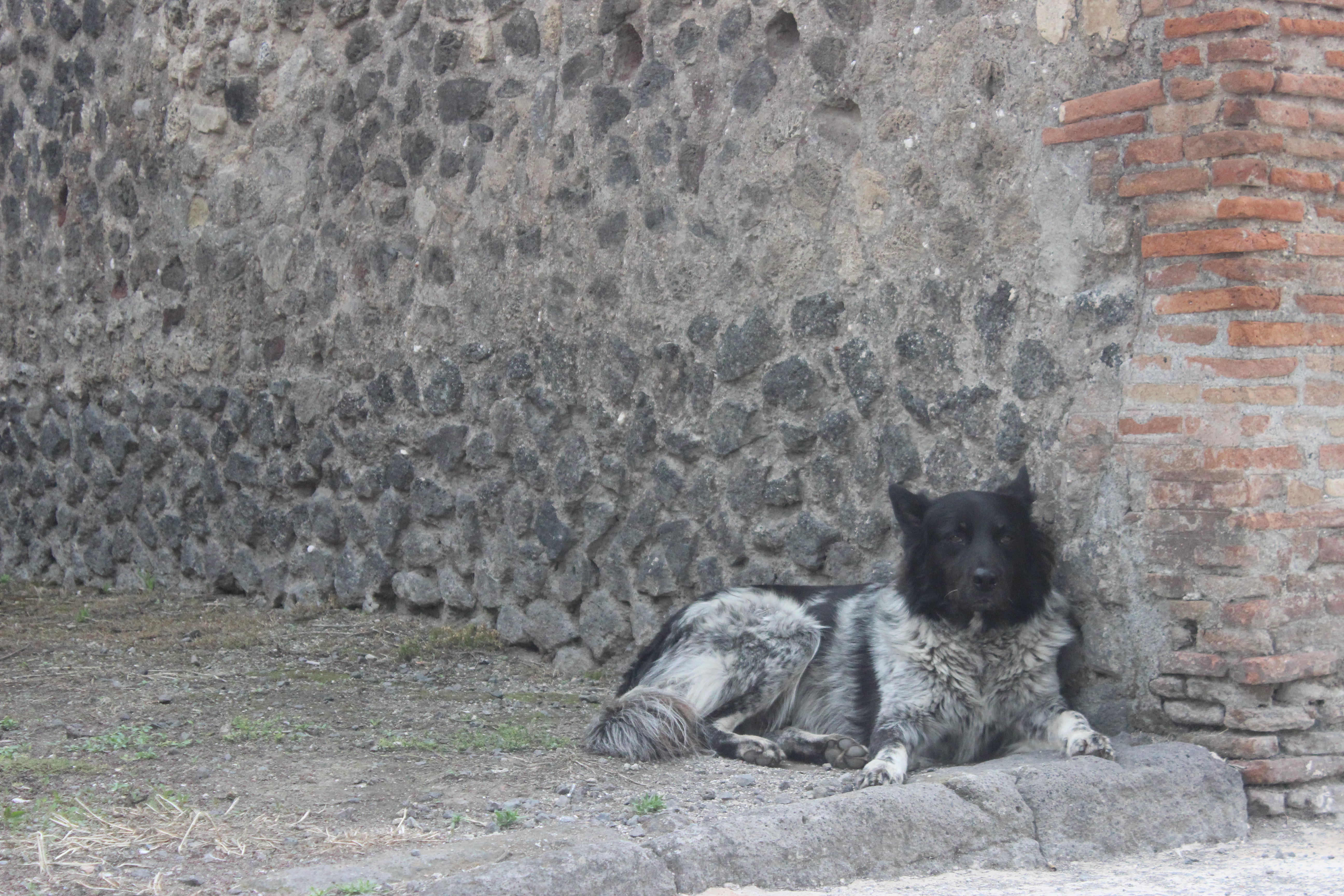
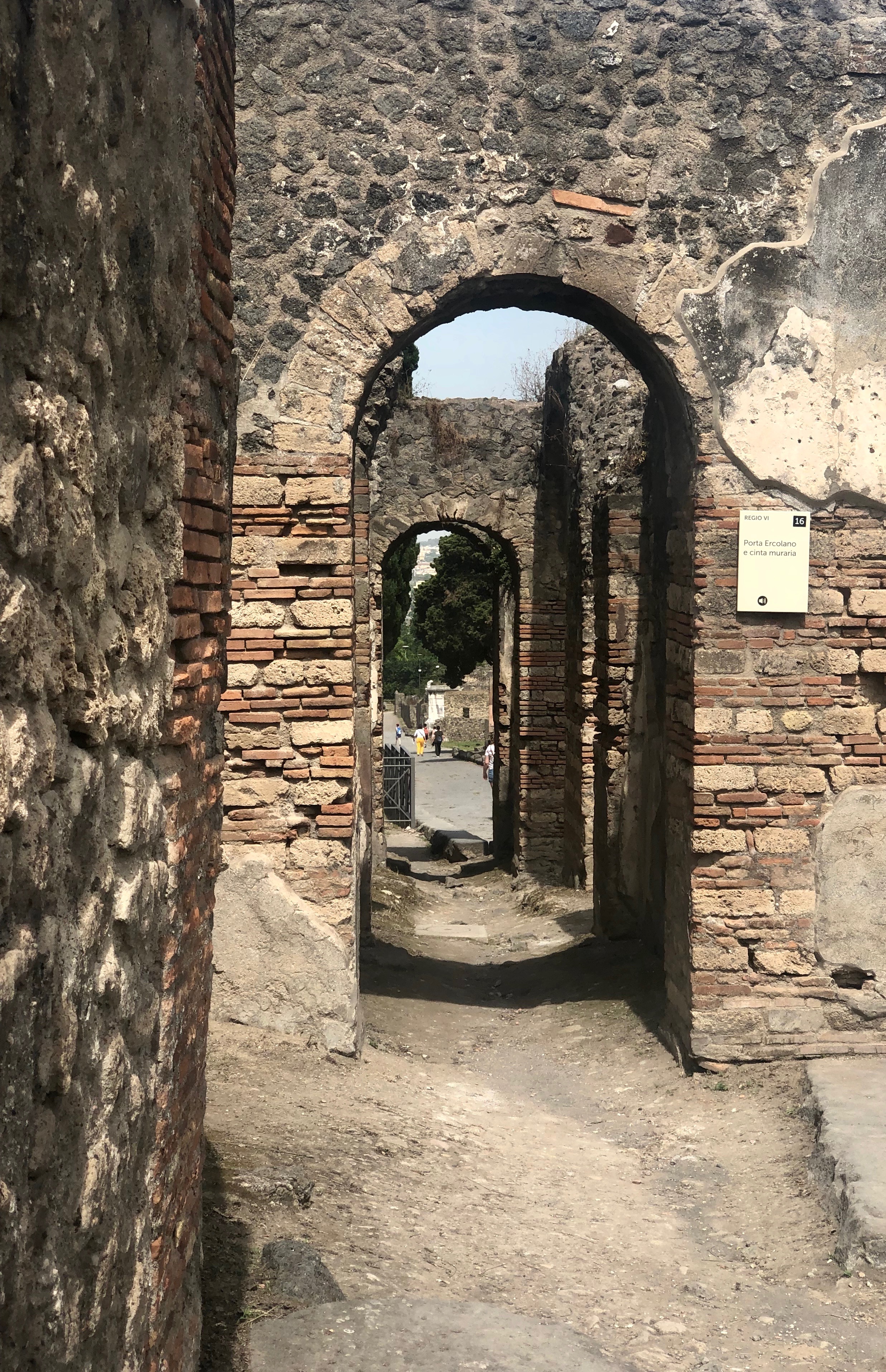
Irreplaceable Beauty. Even though the eruption of Mount Vesuvius is estimated to have been 500 times more powerful than the atomic bombs in WWII, the natural and man-made beauty of this Pompeii is truly irreplaceable. With an area so large and works of art so detailed, a visitor will never experience a dull moment in this blast from the past!

Sources:
“Map Pompeii Ruins,” Woon Be Schermend, Dec. 22, 2018. https://www.woonbeschermendhypotheek.nl/map-pompeii-ruins/
Stoye, Emma. “Chemical analysis reveals origin of Pompeian mosaic tiles,” Feb. 15, 2019. Chemistry World. https://www.chemistryworld.com/news/chemical-analysis-reveals-origin-of-pompeian-mosaic-tiles/3010127.article.
“Pompeii,” History. May 16, 2019. https://www.history.com/topics/ancient-history/pompeii.
“10 Mind-Blowing Facts about Pompeii,” Avventure Bellissme. https://www.tours-italy.com/blog/10-mind-blowing-facts-about-pompeii.
“14 Bizarre Things Most People Don’t Know About The Bodies Preserved At Pompeii,” Ranker. https://www.ranker.com/list/facts-about-bodies-at-pompeii/andy-miller.
 the blue eyed blogger